
A coordinated, multi-sector response to support Palestinian communities
Communities face interconnected challenges that require coordinated solutions.
That is why the Action Group works across different sectors — from land and water to psychosocial support and education — ensuring a comprehensive and locally-driven response.
By working together, the partners increase their impact and reach more people in a meaningful and sustainable way.
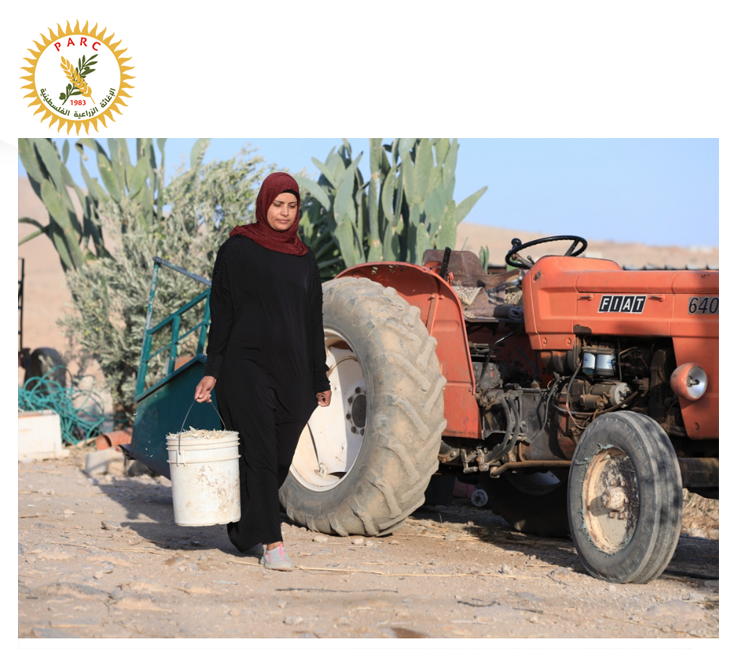
Agricultural Development Association (PARC)
Protecting land and livelihoods
PARC works with vulnerable farming communities to rehabilitate and protect agricultural land, particularly in areas at risk of confiscation.
By supporting cultivation, improving infrastructure and providing resources, these interventions help families strengthen their livelihoods and food security.
At the same time, maintaining land use becomes a key protection mechanism for communities.
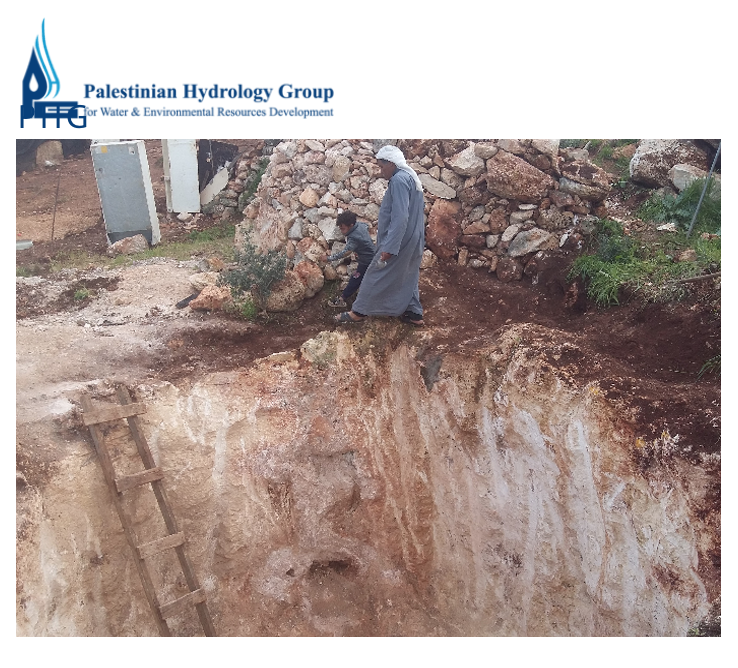
Palestinian Hydrology Group (PHG)
Ensuring access to water
PHG works to improve access to safe and reliable water through the rehabilitation of infrastructure, development of water sources and promotion of sustainable solutions.
From restoring springs and building cisterns to upgrading water networks, these actions help communities secure a basic human right and adapt to water scarcity.
Improved water access directly enhances health, stability and resilience.
Psychosocial Counseling Center for Women (PSCCW)
Supporting people and wellbeing
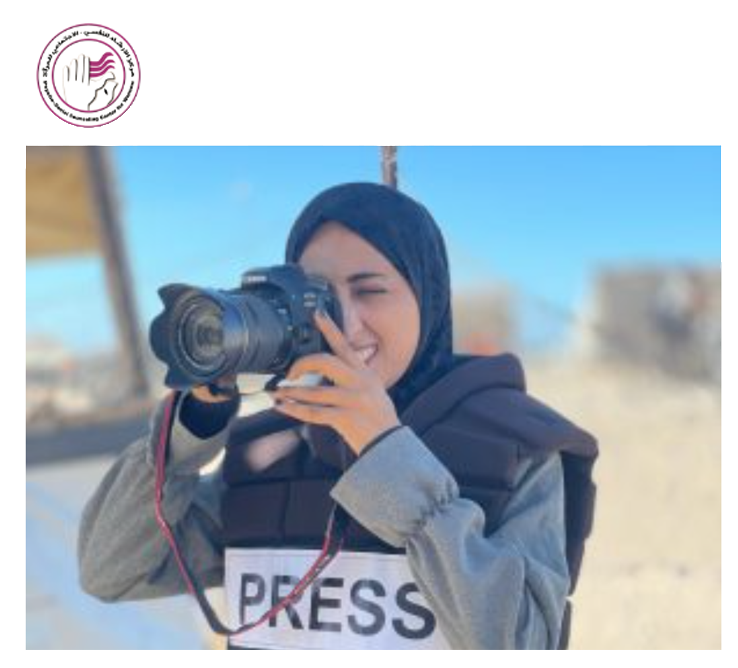
PSCCW focuses on the psychosocial wellbeing of women, children and communities.
Through support groups, educational activities and child-focused programmes, people are provided with safe spaces to express themselves, rebuild confidence and strengthen social connections.
These interventions help individuals and communities cope with stress, recover from challenges and build resilience.
Asamblea de Cooperación por la Paz (ACPP)
Strengthening coordination and international engagement
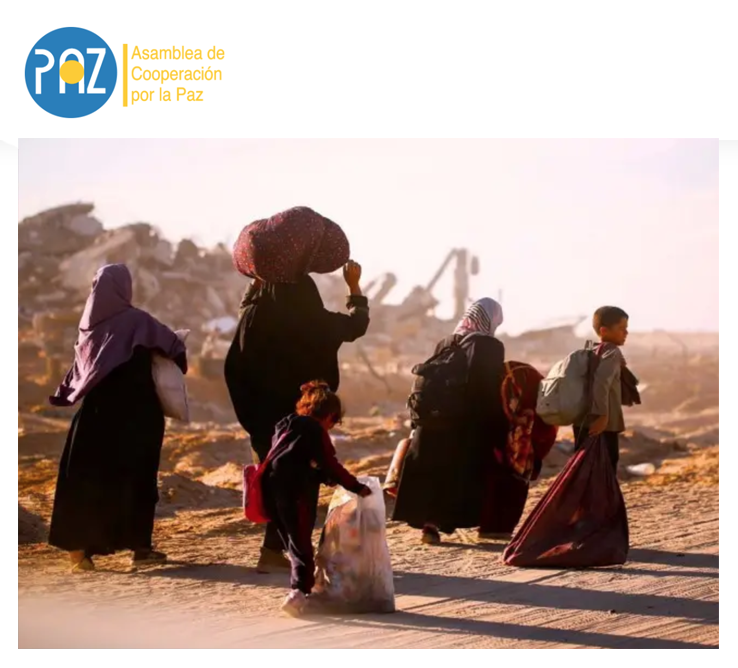
As an international partner, ACPP helps connect the locally led response with donors, institutions and wider solidarity networks, while supporting joint planning, communication and accountability processes.
Through this role, ACPP contributes to the sustainability and visibility of the Action Group, helping ensure that the collective work of the Palestinian partner organisations is clearly communicated, strategically supported and connected to broader efforts for rights, dignity and justice.
Working together for greater impact
Each organisation brings its own expertise, but it is through collaboration that the Action Group achieves meaningful impact
By connecting work on land, water, psychosocial wellbeing, coordination and advocacy, the consortium provides a holistic response that reflects the real needs of communities.
This coordinated approach strengthens local capacities, avoids duplication and ensures that support is more effective, inclusive and sustainable.
Learn more about the Action Group